





















October Is Cybersecurity Awareness Month: Building a Culture of Vigilance
October marks Cybersecurity Awareness Month, a global reminder that protecting our digital environments requires vigilance from everyone. Yet while...
Tailored consulting, engineering, and managed security services to meet your needs.
Discover who we are, what drives us, and how Cortrucent partners with businesses to deliver lasting security and technology success.
Explore Cortrucent’s latest insights, industry updates, and expert resources to strengthen your cybersecurity and IT strategy.
2 min read
Madison Bocchino
:
January 16, 2026
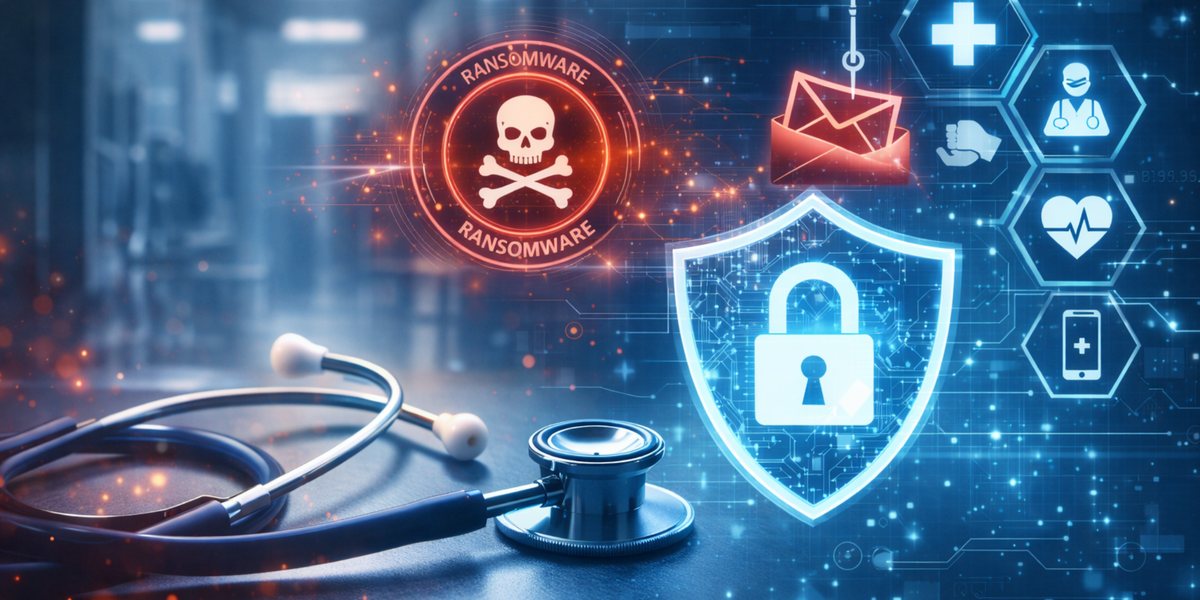
Healthcare organizations are among the most targeted industries for cyber attacks. From hospitals and clinics to private practices and healthcare vendors, the combination of sensitive patient data, complex systems, and strict regulatory requirements makes healthcare an attractive target for cybercriminals. A single security incident can disrupt patient care, damage trust, and lead to significant financial and legal consequences.
Understanding the biggest cybersecurity risks facing healthcare organizations and how to mitigate them is essential to protecting patients, operations, and reputations.
Healthcare data is extremely valuable on the black market. Electronic health records contain personal, financial, and medical information that can be used for identity theft and fraud. At the same time, many healthcare organizations rely on legacy systems, medical devices, and third party vendors that are difficult to secure.
Cybercriminals know that downtime in healthcare environments is not just inconvenient it can impact patient safety. This pressure increases the likelihood that organizations will pay ransoms or rush recovery efforts.
One of the most common threats in healthcare is phishing. Attackers send emails that appear to come from trusted sources such as insurance providers, vendors, or internal departments. These messages often trick staff into clicking malicious links or sharing login credentials, giving attackers access to critical systems.
Ransomware is another major risk. These attacks encrypt systems and patient data, bringing operations to a halt. Healthcare organizations are especially vulnerable if they lack secure, tested backups or incident response plans. Even short outages can delay treatment and impact patient outcomes.
Outdated or legacy systems also present serious challenges. Many healthcare environments rely on older software, operating systems, or medical devices that may no longer receive security updates. These systems create vulnerabilities that attackers actively exploit.
Insider threats, both accidental and intentional, remain a concern as well. Employees may mishandle sensitive data, use weak passwords, or fall victim to social engineering attacks. Without proper training and access controls, human error can quickly lead to a breach.
Third party and supply chain risks are growing as healthcare organizations rely on vendors for billing, scheduling, cloud services, and data storage. A security issue at a trusted vendor can expose patient data and systems, even if the healthcare organization itself is compliant.
A strong cybersecurity program in healthcare starts with employee awareness. Regular security training helps staff recognize phishing attempts, protect credentials, and understand their role in safeguarding patient data. Since human error is a leading cause of breaches, education is critical.
Implementing strong access controls is another key best practice. This includes enforcing multi factor authentication, limiting user access based on roles, and regularly reviewing permissions. These measures help reduce the risk of unauthorized access to sensitive systems and data.
Maintaining secure and reliable backups is essential for protecting against ransomware and data loss. Backups should be encrypted, stored securely, and tested regularly to ensure systems can be restored quickly without paying a ransom.
Proactive monitoring and threat detection allow organizations to identify suspicious activity before it escalates into a major incident. Continuous monitoring, combined with timely patching and system updates, helps close security gaps and reduce exposure.
Healthcare organizations must also manage vendor risk carefully. Evaluating third party security practices, limiting access, and monitoring vendor activity helps reduce supply chain vulnerabilities.
Finally, cybersecurity should be integrated with compliance efforts such as HIPAA. While compliance alone is not enough to stay secure, aligning security controls with regulatory requirements helps ensure both legal and operational protection.
Cybersecurity in healthcare is not just about protecting data it’s about protecting patients. System outages, data breaches, and compromised devices can directly affect patient safety, care delivery, and trust. A strong cybersecurity strategy supports continuity of care and helps healthcare organizations fulfill their mission.
Contact us today to learn how our cybersecurity solutions can help reduce risk, strengthen compliance, and protect your organization from evolving threats. We secure the technology healthcare teams rely on, delivering protection where it matters most.
October marks Cybersecurity Awareness Month, a global reminder that protecting our digital environments requires vigilance from everyone. Yet while...
The cybersecurity landscape is changing faster than most organizations can adapt, and this year we witnessed a new milestone: a cyberattack campaign...
Princeton, NJ — End of Year Announcement – Cortrucent Security, a leading provider of managed security services, is proud to announce that it has...