










































October Is Cybersecurity Awareness Month: Building a Culture of Vigilance
October marks Cybersecurity Awareness Month, a global reminder that protecting our digital environments requires vigilance from everyone. Yet while...
Tailored consulting, engineering, and managed security services to meet your needs.
Discover who we are, what drives us, and how Cortrucent partners with businesses to deliver lasting security and technology success.
Explore Cortrucent’s latest insights, industry updates, and expert resources to strengthen your cybersecurity and IT strategy.
2 min read
Madison Bocchino
:
Updated on February 27, 2026
When business leaders think about insurance, they think about protection policies that shield the company from financial loss, legal exposure, and unexpected disasters. But in today's digital world, there's another form of protection that's just as critical: Cybersecurity.
Cybersecurity isn't just an IT function. It's business insurance, protecting revenue, reputation, operations, and long term viability.
Every organization today relies on technology. Cloud platforms, email, SaaS tools, remote access, and digital payments power daily operations. They are prime targets.
Cyber attacks are no longer rare events. They are:
A single breach can result in:
The financial impact often extends far beyond the initial incident.
Traditional business insurance may help offset some direct financial losses, but it can't:
Cybersecurity acts as prevention, reducing the likelihood and severity of these incidents before they occur. Just like installing fire suppression systems reduces fire damage, investing in cybersecurity reduces breach impact.
The cost of proactive cybersecurity is almost always lower than the cost of a major breach. Consider the true cost of an attack:
Even small businesses can face six or seven figure consequences from a serious incident. Strong cybersecurity controls are an investment in stability and resilience.
Today's attackers aren't just deploying malware. They're exploiting:
The perimeter has changed and so must protection strategies. Businesses must think beyond antivirus software and adopt layered security that includes:
This is the digital equivalent of locking doors, installing alarms, and securing valuables.
Strong cybersecurity doesn't just reduce risk, it builds trust. Customers, partners, vendors want to know their data is protected. Increasingly, contracts and compliance requirements demand proof of security controls. Organizations that treat cybersecurity as business insurance demonstrate:
Security is no longer optional, it's a competitive advantage
Cybersecurity is no longer just an IT issue. It is a board level responsibility.
Executives must ask:
Ignoring cyber risk today is like operating without insurance in a high risk industry.
Every business carries risk. Smart businesses manage it. Cybersecurity is business insurance because it protects your most valuable assets like your data, your operations, your customers, and your reputation. The question isn't whether cyber threats exist. It's whether your organization is prepared for them.
October marks Cybersecurity Awareness Month, a global reminder that protecting our digital environments requires vigilance from everyone. Yet while...
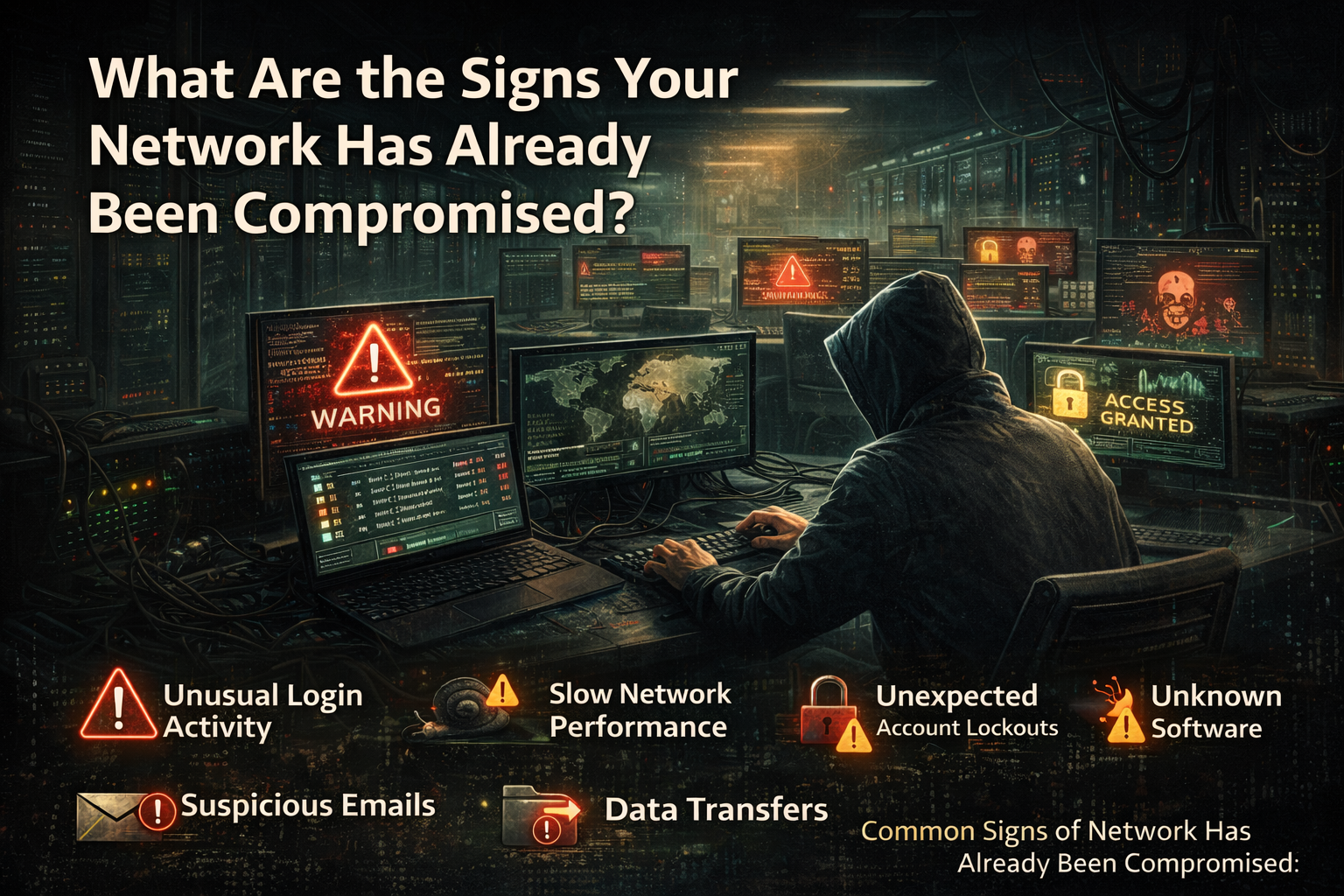
Most cyber attacks don’t happen in a single moment. Attackers often gain access quietly, move through systems unnoticed, and gather information...
Healthcare organizations are among the most targeted industries for cyber attacks. From hospitals and clinics to private practices and healthcare...