































3 min read

Signs Your Business Has Outgrown Its Current IT Setup

Signs Your Business Has Outgrown Its Current IT Setup
3:38

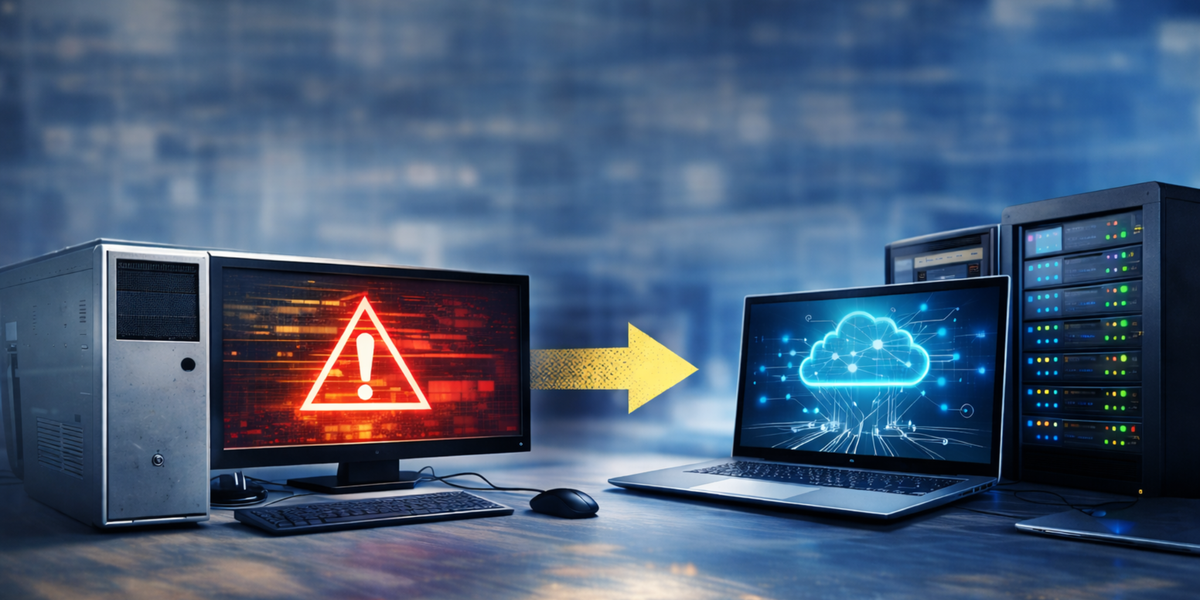
As your business grows, your technology should grow with it. Unfortunately, many companies continue using IT systems designed for a much smaller operation. What once worked “well enough” can quickly become a source of inefficiency, security risks, and costly downtime.

If your IT setup is holding your business back instead of supporting growth, it may be time for a change. Below are the most common signs your business has outgrown its current IT infrastructure and what to do about it

Frequent Downtime or System Slowdowns

When systems crash, freeze, or slow down regularly, productivity suffers. Employees waste time waiting for applications to load or calling for help when something breaks.

These issues often stem from:

  • Outdated servers or workstations
  • Overloaded networks
  • Software that no longer meets performance demands

If downtime is becoming “normal,” your IT environment is likely no longer scalable for your business needs.


IT Issues Are Always Reactive, Not Proactive

Do problems only get addressed after something breaks? A reactive IT approach might work for very small teams, but growing businesses need proactive monitoring and maintenance.

Warning signs include:

  • No regular system updates or patching
  • No monitoring for security threats or hardware failures
  • Relying on employees to report problems after they happen

Proactive IT helps prevent issues before they impact operations and is a key indicator of a mature IT strategy.


Security Gaps Are Becoming More Noticeable

Cyber threats are increasing, and outdated IT setups often lack modern security protections. Outdated systems such as software and hardware create security vulnerabilities that can lead to business interruption, cyberattacks, loss of revenue, and reputational damage. As your business grows, you also become a more attractive target.

Are you certain that you are not at risk for a ransomware attack?

Common red flags include:

  • No multi factor authentication (MFA)
  • Inconsistent backups or no disaster recovery plan
  • Employees using weak or reused passwords
  • No formal cybersecurity policies or training

Security should scale with your business, not lag behind it.


Your Team Is Struggling to Work Efficiently

Technology should make work easier not harder or less secure. If employees frequently complain about tools, access issues, or slow workflows, your IT setup may not only be limiting productivity but also exposing your business to unnecessary risk. Inefficient systems often lead teams to find workarounds that bypass security controls putting data, access, and compliance at risk.

Are your employees confident that the data they access is secure, properly protected, and available when they need it? Or are gaps in your systems forcing them to trade security for speed

Examples include:

  • Difficulty accessing files remotely in a secure way
  • Multiple systems that don’t integrate, creating data silos and visibility gaps
  • Manual workarounds for routine tasks that increase the risk of errors or data exposure
  • Frequent “small” IT issues that add up to both productivity loss and security blind spots

As teams grow, efficient, secure, and well integrated systems become critical not optional.


IT Costs Are Unpredictable or Increasing

Unexpected repair costs, emergency fixes, and piecemeal upgrades often indicate an aging IT environment and a reactive IT spend model that nickel and dimes your business. When IT is managed issue by issue, costs become unpredictable, difficult to budget for, and rarely aligned with long term business goals.

Signs include:

  •  Frequent hardware replacements instead of planned lifecycle management
  • Paying multiple vendors with no central strategy, accountability, or visibility
  • Rising support costs without improved performance, security, or reliability

This approach not only wastes time and money, but often leaves critical gaps in security and operational efficiency. A strategic IT upgrade built around a predictable, fixed cost eliminates surprise expenses and includes everything needed to operate efficiently and securely: proactive maintenance, security protections, monitoring, support, and planning.

With a fixed, all inclusive IT model, you gain cost certainty, stronger security, improved reliability, and the ability to focus on running your business instead of reacting to IT problems.


You Rely on One "IT Person" Who's Overwhelmed 

Many growing businesses rely on a single IT person or a “tech savvy” employee. As systems grow more complex, this quickly becomes risky.

If you’re not ready to hire a full time IT professional or your current IT team is overwhelmed important areas like security often get overlooked. When IT is focused on keeping the lights on, security gaps, downtime, and business disruptions are more likely to occur.

This often leads to:

  • IT bottlenecks and delayed support
  • Burnout and overreliance on one person
  • Security gaps and increased cyber risk
  • Unexpected downtime and business interruptions

A scalable IT approach gives you access to experienced IT and security experts at a fraction of the cost of a full time hire providing redundancy, stronger security, and peace of mind as your business grows.


LET’S BUILD AN IT FOUNDATION THAT GROWS WITH YOUR BUSINESS

Contact us today to learn how our managed IT and cybersecurity solutions can help eliminate downtime, strengthen security, and support your business as it scales. We deliver enterprise grade technology and protection tailored for small to mid size organizations because growing businesses deserve reliable, secure, and future ready IT.


The Importance of Cybersecurity for Small Businesses

The Importance of Cybersecurity for Small Businesses

In today's digital age, cybersecurity is no longer a luxury but a necessity for businesses of all sizes. For small businesses, the stakes are...

Read More
The Role of Artificial Intelligence in Cybersecurity: An MSSP Perspective

The Role of Artificial Intelligence in Cybersecurity: An MSSP Perspective

As cyber threats grow in complexity and frequency, organizations are turning to Artificial Intelligence (AI)to defend their digital environments. ...

Read More