





























2 min read

The Most Common Cyber Attacks Targeting Small & Mid-Size Businesses

The Most Common Cyber Attacks Targeting Small & Mid-Size Businesses
4:41

Many small and mid-size businesses believe cybercriminals only target large enterprises. In reality, SMBs are one of the most frequent targets of cyber attacks. Limited security resources, growing digital footprints, and valuable data make them attractive to attackers looking for easy entry points.

Understanding the most common types of cyber attacks is the first step toward reducing risk. Below are the threats SMBs face most often and why they continue to be effective.


Phishing Attacks 

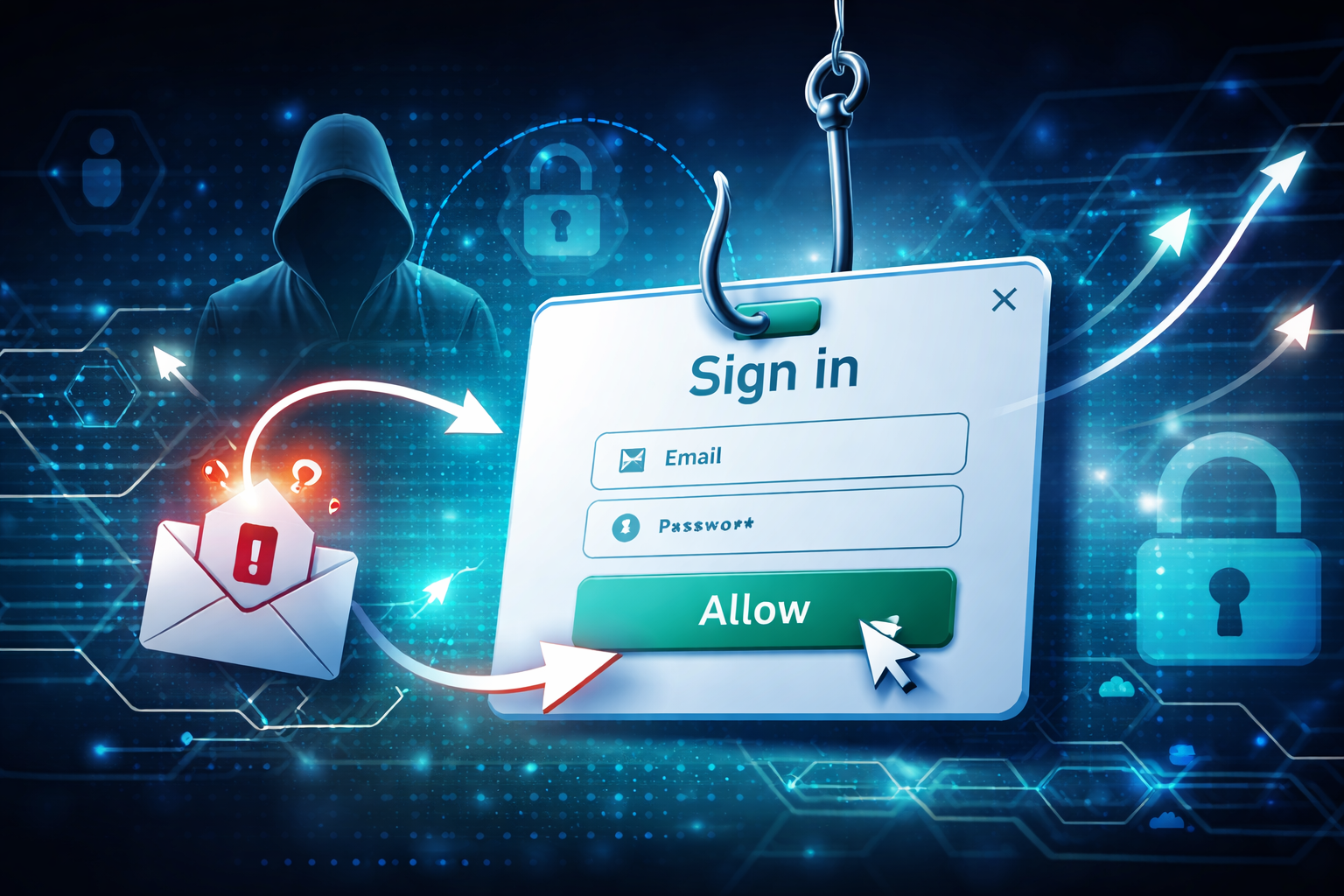
Phishing remains one of the most common and successful cyber attacks against small and mid-size businesses. These attacks typically arrive as emails or messages that appear legitimate, often impersonating trusted vendors, executives, or well known brands. The goal is to trick employees into clicking malicious links, downloading infected files, or sharing sensitive information.

Because phishing relies on human error rather than technical flaws, even businesses with basic security tools can fall victim. Without ongoing security awareness training, employees may unknowingly give attackers access to systems or credentials.


Ransomware Attacks 

Ransomware attacks involve malicious software that encrypts business data and demands payment in exchange for restoring access. These attacks can completely halt operations, locking employees out of critical systems and files.

Small and mid-size businesses are especially vulnerable when they lack secure backups or incident response plans. Even when a ransom is paid, there is no guarantee data will be fully restored, making ransomware one of the most damaging threats SMBs face.


Business Email Compromise (BEC)

Business Email Compromise attacks target companies by impersonating executives, finance departments, or trusted partners. Attackers often gain access to or spoof legitimate email accounts to request wire transfers, invoice payments, or sensitive information.

These attacks are dangerous because they look legitimate and often bypass basic spam filters. Without email security controls and verification procedures, businesses can suffer significant financial losses.


Malware and Viruses

Malware includes a wide range of malicious software designed to disrupt operations, steal data, or provide unauthorized access to systems. This can include spyware, trojans, and keyloggers that operate silently in the background.

Malware commonly enters networks through malicious email attachments, compromised websites, or outdated software. Once inside, it can spread quickly, especially in environments without proper endpoint protection or patch management.


Credential Theft and Password Attacks

Weak or reused passwords make it easy for attackers to gain access to business systems. Credential theft often occurs through phishing, data breaches, or brute force attacks that attempt to guess login information.

Once attackers obtain valid credentials, they can move freely within systems, access sensitive data, and launch further attacks. Without multi-factor authentication and strong password policies, businesses remain highly exposed.


Insider Threats

Not all cyber threats come from outside the organization. Insider threats can involve employees or contractors who intentionally or unintentionally compromise security. This may include sharing passwords, mishandling sensitive data, or falling for social engineering attacks.

Lack of access controls, monitoring, and security training increases the likelihood of insider related incidents, even when there is no malicious intent.


How to Reduce Your Risk 

While cyber threats are constantly evolving, businesses can significantly reduce risk by adopting a layered security approach. This includes employee security training, strong email and endpoint protection, regular patching, secure backups, and proactive monitoring. Working with a trusted IT and cybersecurity partner can help ensure protections scale as your business grows.


Final Thoughts

Cyber attacks are no longer a matter of “if” but “when,” especially for small and mid-size businesses. Understanding the most common threats is essential to building effective defenses and protecting your organization’s operations, reputation, and customers.


LET'S SECURE YOUR BUSINESS TOGETHER

Contact us today to learn how our cybersecurity solutions can help identify risks, prevent attacks, and protect your business from evolving threats.  

The Importance of Cybersecurity for Small Businesses

The Importance of Cybersecurity for Small Businesses

In today's digital age, cybersecurity is no longer a luxury but a necessity for businesses of all sizes. For small businesses, the stakes are...

Read More