











































1 min read
The Rising Storm: Attacks on AI Infrastructure Are Exploding 2025-2026
Artificial intelligence is no longer just a tool, it’s become a critical part of how businesses, governments, and everyday technologies operate. But...

Tailored consulting, engineering, and managed security services to meet your needs.
Discover who we are, what drives us, and how Cortrucent partners with businesses to deliver lasting security and technology success.
Explore Cortrucent’s latest insights, industry updates, and expert resources to strengthen your cybersecurity and IT strategy.
Artificial intelligence is changing the way people work, communicate, and interact online, but it is also creating new opportunities for cybercriminals.
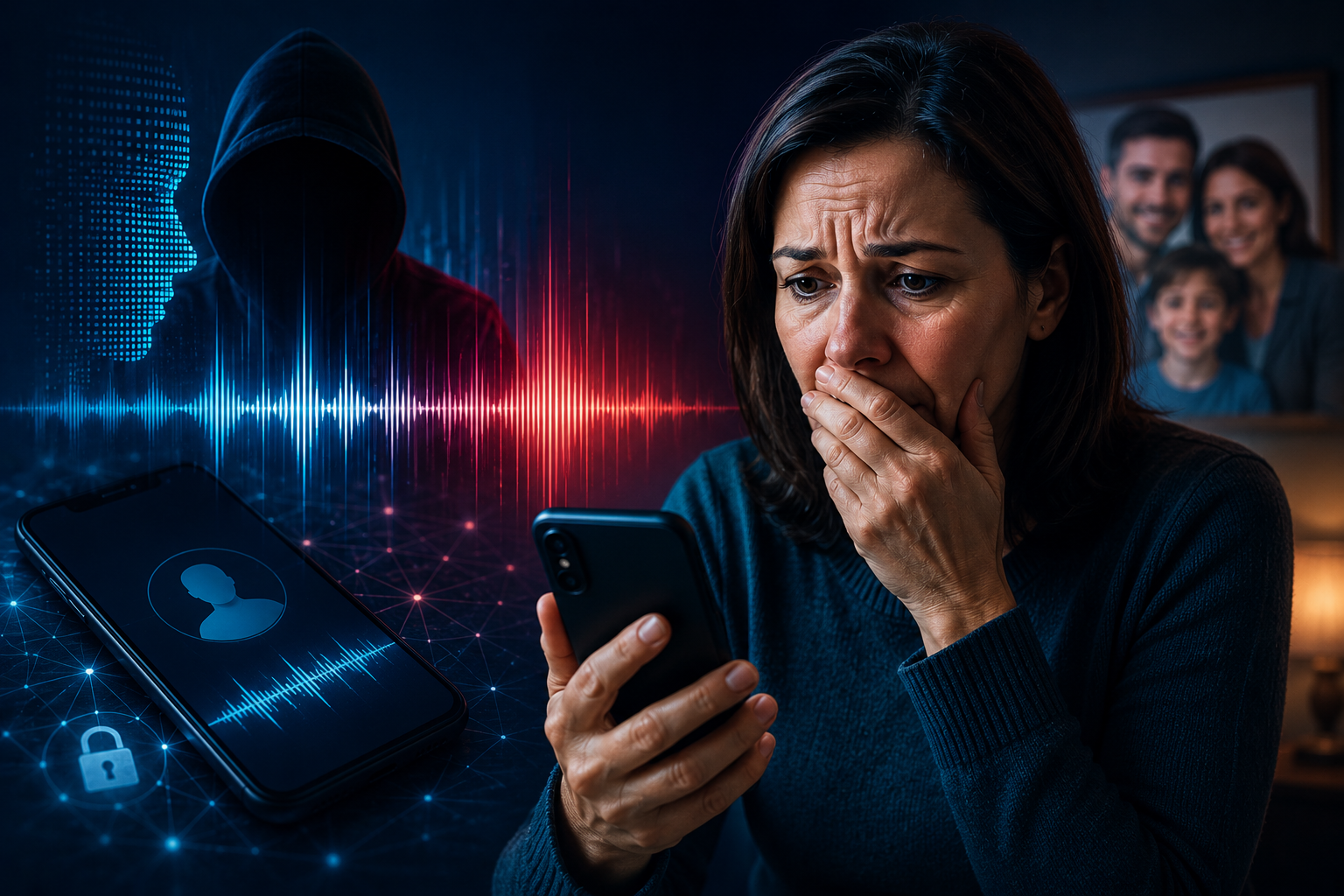
One of the fastest growing and most alarming threats emerging in 2026 is the rise of AI voice cloning scams. These scams use artificial intelligence to mimic the voices of family members and loved ones in an attempt to manipulate victims emotionally and steal money or sensitive information.
What makes these scams especially dangerous is how personal they feel. For many victims, the voice on the phone sounds exactly like their child, grandchild, spouse, or close relative.
In a moment of panic, that emotional reaction can override logic.
AI voice cloning technology can now replicate a person's voice using only a small sample of audio. In some cases, scammers may only need a few seconds of audio pulled from:
Once attackers collect enough audio, AI tools can generate speech that closely mimics the victim's loved one.
Scammers then use this cloned voice during phone calls designed to create urgency and fear.
Common phrases include:
Some scams even include fake crying, panic sounds, or background noise to make the situation feel more believable.
Combined with spoofed phone numbers and personal information gathered from social media, these attacks can feel incredibly real.
Traditional cyber scams often rely on suspicious emails or obvious warning signs. AI voice cloning scams are different because they target human emotion first.
Cybercriminals understand that fear and urgency can cause people to act before they stop to verify what is happening.
Parents and grandparents are especially common targets because attackers know family emergencies create emotional pressure.
Unlike phishing emails, there may be no spelling mistakes, strange links, or obvious red flags. The victim hears a familiar voice and reacts instinctively. That emotional manipulation is what makes these attacks so dangerous
Many people unknowingly provide scammers with the content needed to create convincing voice clones.
Videos posted online often contain clear voice recordings that can be downloaded, analyzed, and replicated using AI tools.
Public social media profiles may also reveal:
This information helps attackers make scams feel even more authentic.
As AI technology becomes more accessible, voice cloning tools are becoming cheaper, faster, and easier for cybercriminals to use.
One of the best defenses against AI voice cloning scams is simple verification.
Families should discuss these threats openly and create a plan for handling emergency requests.
Many cybersecurity experts now recommend establishing a family "safe word" or verification phrase that only trusted family members know.
If someone calls claiming to be in danger or requesting money urgently, pause and verify the situation before taking action.
Additional safety steps include:
The goal is not to panic; it is to slow down and verify.
Cybersecurity threats are no longer limited to corporations and enterprise networks.
AI-powered scams are increasingly targeting everyday people and families because attackers know emotional manipulation works.
This shift highlights an important reality about cybersecurity in 2026: it is now deeply personal.
From deepfake videos to cloned voices and AI-generated scams, individuals must become more aware of how emerging technology can be weaponized.
At the same time, businesses also need to educate employees about these evolving threats, especially since social engineering attacks are becoming more advanced and harder to detect.
While AI voice cloning scams are concerning, awareness is one of the strongest forms of protection.
Families should:
Scammers succeed when people react quickly without verifying information.
Creating awareness and communication within families can significantly reduce the risk of falling victim to these scams.
Artificial intelligence is transforming communication in powerful ways, but cybercriminals are using the same technology to create more convincing and emotionally driven scams.
AI voice cloning scams are growing because they exploit human trust.
As these attacks continue to evolve awareness, verification, and digital caution will become increasingly important for protecting both individuals and families.
The most effective defense is not fear, it is preparation.
1 min read
Artificial intelligence is no longer just a tool, it’s become a critical part of how businesses, governments, and everyday technologies operate. But...

1 min read
Artificial intelligence is rapidly transforming the way businesses operate. From ChatGPT and Microsoft Copilot to AI-driven automation and analytics,...
1 min read
Cybercrime was once largely associated with financially motivated hackers stealing credit card information or launching ransomware attacks. Today,...