







































3 min read

What Recent Cyberattacks Reveal About 2026

What Recent Cyberattacks Reveal About 2026
5:49

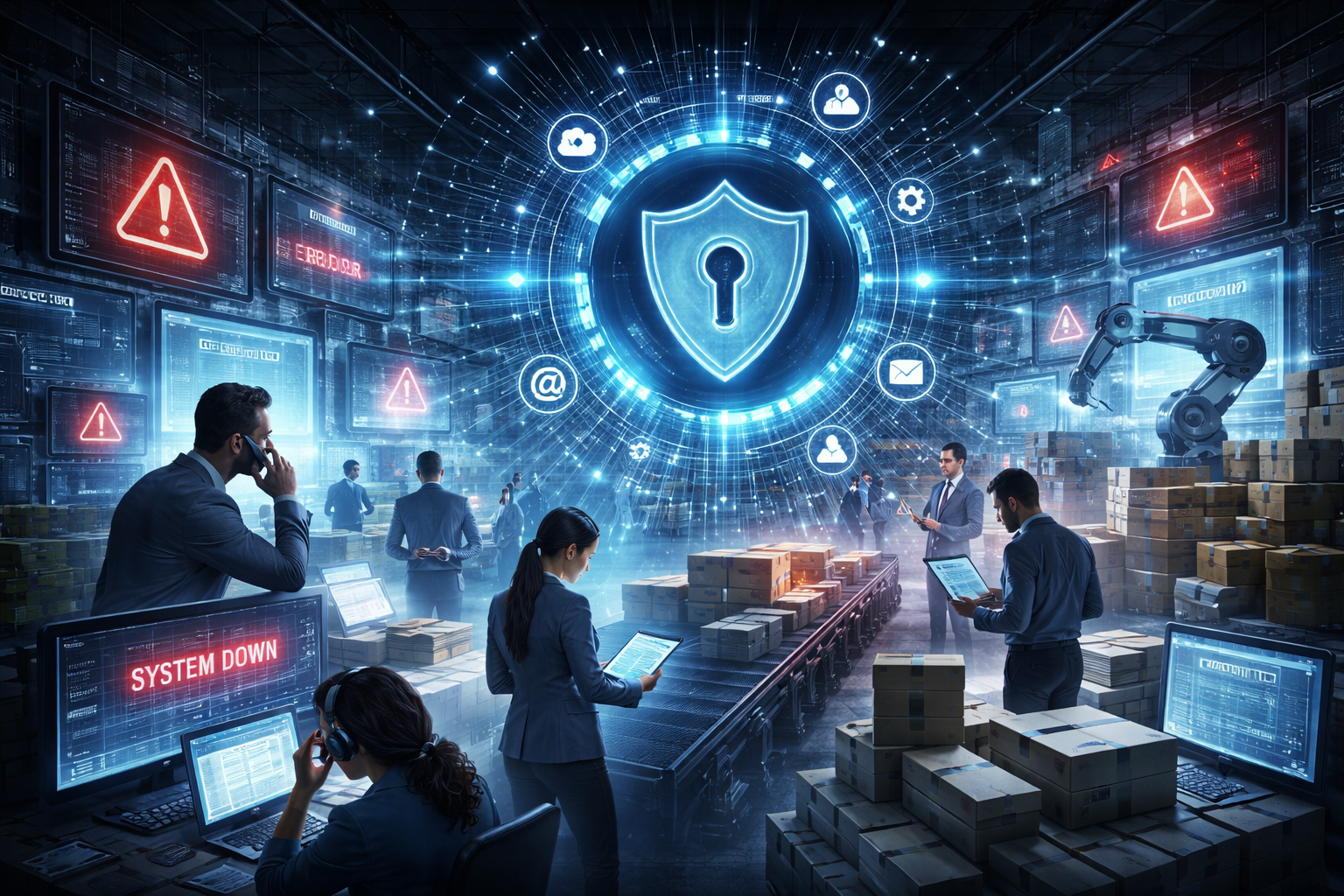
Cybersecurity in 2026 is already showing a clear pattern: the impact of an attack is no longer measured only by what data was exposed. More and more, the real story is about disruption, continuity, and trust.

Recent incidents involving Hasbro, CareCloud, and LexisNexis point to three trends that are shaping this year so far. In different ways, each case shows that cyber risk is becoming more operational, more visible to the business, and harder to isolate as "just an IT issue."


Cyberattacks Are Hitting Business Operations Faster

For years, breach reporting often focused on what was stolen. In 2026, the more immediate concern is often what stops working.

That is part of what made Hasbro's recent disclosure stand out. The company said it identified unauthorized access to its network and took certain systems offline as part of its response. It also warned that order processing and shipping could be affected for several weeks. That kind of fallout matters because it moves a cyber incident beyond the security team and into logistics, customer experience, and revenue operations.

This is an important shift. When an attack affects the systems that keep a business moving, the consequences become visible much faster. It is no longer only about what might happen later through fraud, legal exposure, or reputational harm. It is also about what the company cannot do right now.


In Critical Sectors, Even Short Disruptions Matter

The CareCloud incident highlights a different but equally important issue: in some industries, a relatively short disruption can still be serious. 

CareCloud disclosed that a cyberattack on March 16, 2026, temporarily disrupted part of its electronic health record environment for about eight hours. The company said an unauthorized party accessed one of its six EHR environments and that it was investigating whether sensitive data had been accessed.

Eight hours may not sound dramatic in every context, but in healthcare IT, downtime carries a different kind of weight. Systems tied to records, workflows, and access to information are not just business tools. They support day to day operations. That means the risk is not only technical. It is operational from the start. 

One of the clearest lessons from incidents like this is that sector matters. A cyberattack does not affect every organization in the same way. In healthcare, the margin for disruption is much smaller, which makes resilience just as important as prevention.


Legacy Data Still Creates Modern Risk

LexisNexis adds another dimension to the 2026 picture: older data is still valuable.

The company confirmed that a threat actor accessed a limited number of servers containing mostly legacy data. Reports said the exposed information included customer names, user IDs, business contact information, support tickets, and other records tied largely to older systems. Even when products and services are not directly disrupted, an incident like this shows that historical environments can still become a present day liability.

This is a point many organizations continue to underestimate. Legacy systems and older datasets are often treated as lower priority because they are no longer central to current operations. But attackers do not necessarily see them that way. Older environments may be less monitored, less segmented, or less rigorously maintained, while still containing information that can be useful for targeting, fraud, or follow-on attacks.

In other words, data does not have to be new to be dangerous. 


The Bigger Story: Cybersecurity Is Becoming a Business Continuity Issue

Taken together, these incidents reveal something bigger about 2026.

Hasbro shows how a cyberattack can affect fulfillment and operational continuity.

CareCloud shows how attacks on core service environments can create immediate pressure in a critical industry. LexisNexis shows that even legacy systems can create meaningful exposure long after they stop being the center of the business.

The common thread is that cyber risk is becoming harder to separate from business risk.

That means the organizations that are best prepared will not just be the ones with strong perimeter defenses or the latest security tools. They will be the ones that understand which systems matter most, what disruption would look like in practice, and how to keep operating when something goes wrong.

In 2026, resilience is no longer a secondary conversation. It is becoming the main one.


What Organizations Should Be Thinking About Now 

These recent incidents raise a few practical questions for leadership teams: 

  • Are our most critical systems protected based on technical importance, or based on business impact?
  • Do we know which disruptions would hit customers, operations, or service delivery first?
  • Are older environments and legacy data being secured with the same seriousness as production systems?
  • If a key system goes down tomorrow, do we actually know how the business would continue?

Those are not abstract cybersecurity questions anymore. They are business continuity questions.


Final Thought 

If early 2026 is telling us anything, it is this: the modern cyberattack is not just about breaking in. It is about interrupting, exposing, and destabilizing the systems organizations depend on every day.

That is why cybersecurity can no longer sit in its own lane. It now touches operations, customer trust, and the ability to function under pressure. 

That may be the clearest lesson recent cyberattacks are revealing about 2026.


Strengthen Your Cyber Resilience for 2026

In 2026, cyberattacks are proving that resilience matters as much as prevention. Contact us to strengthen your cybersecurity strategy for the year ahead.

What the Stryker Cyberattack Reveals About Resilience

1 min read

What the Stryker Cyberattack Reveals About Resilience

When people hear about a cyberattack, they often think first about stolen data. But that is only part of the story. Sometimes the bigger business...

Read More
What Service Disruptions Reveal About Modern Cyber Risk

What Service Disruptions Reveal About Modern Cyber Risk

When most people think about a cyberattack, they think about stolen data. But some of the most immediate damage has nothing to do with what was...

Read More
Cybersecurity Is Business Insurance: Here's Why

Cybersecurity Is Business Insurance: Here's Why

When business leaders think about insurance, they think about protection policies that shield the company from financial loss, legal exposure, and...

Read More